

Hypoglycemia - Causes, Symptoms And Treatment
Diabetes In Control. A free weekly diabetes newsletter for Medical Professionals. News and information for Medical Professionals.
Neonatal Hypoglycemia Caused by Intense Glucose Management in Pregnancy
Neonatal Hypoglycemia Caused by Intense Glucose Management in Pregnancy
Diet control and insulin-treated gestational diabetes lead to neonatal hypoglycemia.
Gestational diabetes is a common complication of many pregnancies that not only affects the mother but also the neonates. When diabetes is undiagnosed in pregnancy or when gestational diabetes is not managed, it can lead to hypoglycemia in newborn infants. This is the result of glucose passing through the placenta, elevating the glucose levels in the fetus, and ultimately increasing the amount of insulin secretion. Hypoglycemia in infants then results from the hyperinsulinism. This can lead to adverse neurodevelopmental outcomes. Mild hypoglycemia is defined as 47 mg/dL and severe hypoglycemia is defined as 36 mg/dL. Most infants born to mothers with gestational diabetes are screened for hypoglycemia. The incidence of neonatal hypoglycemia was assessed in term infants born to mothers with gestational diabetes who were treated with insulin versus those mothers who were not treated with insulin.
A prospective cohort study was conducted at the University Medical Center Utrecht in the Netherlands where 2,145 were screened for gestational diabetes. Of these women, 583 women were diagnosed with gestational diabetes. Including twins, there were 595 neonates born but only 506 were included in the analysis. The exclusion criteria included prematurity, stillbirth, or any congenital malformation. Women were screened for risk factors of GDM or were tested due to clinical findings that suggested they had diabetes at 24 to 28 weeks of pregnancy. Oral glucose tolerance tests were done with 75 grams of glucose and GDM was diagnosed with a fasting blood glucose of more than 126 mg/dL and a 2-hour post-prandial glucose of more than 141 mg/dL. The women were educated on how to self-monitor their glucose, received medical nutrition therapy, and followed up with a gynecologist, dietitian, endocrinologist, and nurse. For those patients who needed additional glycemic management, insulin was administered. The target blood glucose was 96 to 126 mg/dL for fasting and post-prandial. There were 392 neonates born to mothers who were not treated with insulin during their pregnancy and 114 were born to mothers who were treated with insulin.
All neonates were assessed for hypoglycemia for 24 hours after birth. The neonates received a heel-stick for samples at 1, 3, 6, 12, and 24 hours after birth before a feeding. If hypoglycemia was found, additional breast milk or formula was given. IV glucose was administered if hypoglycemia was persistent. If an intervention was needed, glucose levels were re-evaluated one hour later.

outcomes of hypoglycemia outcomes were no different. Hypoglycemia , outcomes of hypoglycemia outcomes were no different.
Routine screening should be done for all infants born to mothers with gestational diabetes. Regardless of the treatment option pregnant mothers receive for their gestational diabetes, infants are still at risk to be born with hypoglycemia.
Gestational diabetes affects many pregnancies worldwide and therefore may affect many neonates.
Unmanaged GDM can lead to hyperinsulinism in neonates causing hypoglycemia at birth.
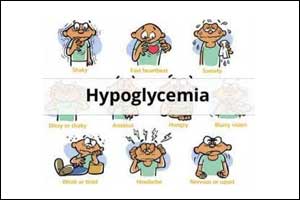
According to this study, whether a mother with gestational diabetes is treated with insulin or non-insulin regimens Hypoglycemia , neonates are still at risk for experiencing hypoglycemia after birth.
All neonates born to mothers with GDM should be screened for hypoglycemia within the first 24 hours of birth.
Voormolen, Daphne N., et al. “Neonatal Hypoglycemia Following Diet-Controlled and Insulin-Treated Gestational Diabetes Mellitus.” Diabetes Care, vol. 41, no. 7, 2018, pp. 1385–1390, doi:10.2337/dc18-0048.
Amanda Cortes LECOM School of Pharmacy PharmD Candidate C/O 2019
Ambulatory Medication Reconciliation and its Impact on Patients with Diabetes
Elevated Hemoglobin A1c Associated With Diabetes Within 4 Years
50/50 Insulin Lispro & Insulin Lispro Protamine Suspension


70/30 Insulin Aspart & Protamine Mix, & Insulin Aspart
70/30 Insulin Human & Insulin Humin Protamine Suspension
75/25 Insulin Lispro Protamine Suspension & Insulin Lispro
50/50 Insulin Lispro & Insulin Lispro Protamine Suspension
75/25 Insulin Lispro Protamine Suspension & Insulin Lispro

Hypoglycemia
70/30 Insulin Aspart & Protamine Mix, & Insulin Aspart


0 Reviews:
Post Your Review