

Understanding Hypoglycemia

Preventing dangerous episodes of low blood sugar with diabetes: Study provides next clue Hypoglycemia
Biomedical discovery may lead to much-needed diagnostic tool
A new study reveals that a novel biomarker might give us new answers necessary to creating a diagnostic tool for hypoglycemia-associated autonomic failure, or HAAF. No objective diagnostic tool currently exists for this condition which, if left untreated, can lead to ever-worsening and possibly life-threatening episodes of dangerously low blood sugar.
A new LSU Pennington Biomedical Research Center study reveals that a novel biomarker might give us new answers necessary to creating a diagnostic tool for hypoglycemia-associated autonomic failure, or HAAF. No objective diagnostic tool currently exists for this condition which, if left untreated, can lead to ever-worsening and possibly life-threatening episodes of dangerously low blood sugar.
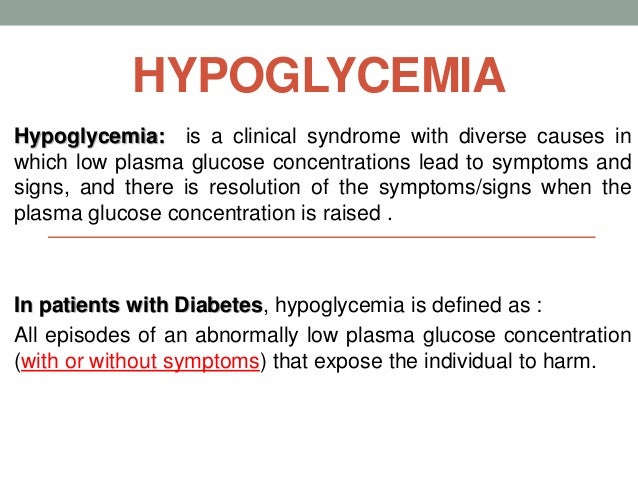
Low blood sugar, or hypoglycemia, is a major complication of type 1 and type 2 diabetes. People with diabetes can have difficulty self-administering the exact insulin dose at the correct time to keep blood sugar levels in healthy ranges. If a low blood sugar episode occurs, individuals usually begin to feel a range of symptoms such as dizziness, headaches and nausea that trigger them to seek immediate, potentially life-saving, medical care.
But when people with diabetes have too many hypoglycemic episodes, their senses may become blunted. They may stop experiencing the physical symptoms that serve as cues to seek medical attention. They may not even realize they are having one or multiple hypoglycemic episodes until it is too late. This condition is more commonly known as hypoglycemia-associated autonomic failure (HAAF).
"There is currently no objective way for a health care provider to measure whether a patient has experienced repeated episodes of low blood sugar and therefore may be suffering from HAAF," said David McDougal, PhD, assistant professor-research and head of Pennington Biomedical's Neurobiology of Metabolic Dysfunction Laboratory. One-third of older adults with diabetes who had experienced a severe low blood sugar episode died within three years of the incident, according to a Johns Hopkins Bloomberg School of Public Health study.
LSU Pennington Biomedical researchers set out to discover ways that biomedical imaging might be able to offer new solutions as to how to measure exposure to glucose level crashes. They decided to focus not on glucose uptake in the brain directly, but on how the brain adapts following an episode of low glucose levels.
Blood glucose is the brain's essential metabolic fuel. If glucose isn't available because a person has hypoglycemia, the brain can adapt by increasing the rate at which it uses alternative energy sources, such as acetate.

we might one day be able to determine if they are suffering from HAAF or are at increased risk for developing the condition in the near future." Hypoglycemia ," Dr. McDougal said. "We believe that by measuring how well a person's brain uses acetate, we might one day be able to determine if they are suffering from HAAF or are at increased risk for developing the condition in the near future."
This would allow doctors to provide treatment for reducing this risk by changing the medication the person takes or advising them to use a continuous glucose monitoring device, Dr. McDougal said.
The research significantly advances our understanding of the scope and importance of the relationship between brain metabolism and hypoglycemia, Dr. McDougal said. However, he cautions that "more studies will have to be conducted in order to demonstrate if this biomarker can be of practical clinical use."
Dr. McDougal has filed a provisional patent application for his discovery.
David Harry McDougal, Moses Morakortoi Darpolor, Marina Andreyevna DuVall, Elizabeth Frost Sutton, Christopher David Morrison, Kishore Murali Gadde, Leanne Maree Redman, Owen Thomas Carmichael.
Glial acetate metabolism is increased following a 72-h fast in metabolically healthy men and correlates with susceptibility to hypoglycemia
Louisiana State University. "Preventing dangerous episodes of low blood sugar with diabetes: Study provides next clue: Biomedical discovery may lead to much-needed diagnostic tool." ScienceDaily. ScienceDaily, 30 July 2018.
Louisiana State University. (2018, July 30). Preventing dangerous episodes of low blood sugar with diabetes: Study provides next clue: Biomedical discovery may lead to much-needed diagnostic tool.
. Retrieved August 28, 2018 from www.sciencedaily.com/releases/2018/07/180730132941.htm
Louisiana State University. "Preventing dangerous episodes of low blood sugar with diabetes: Study provides next clue: Biomedical discovery may lead to much-needed diagnostic tool." ScienceDaily. www.sciencedaily.com/releases/2018/07/180730132941.htm (accessed August 28, 2018).
Low Blood Sugar Poses Unaddressed Threat to People With Type 2 Diabetes
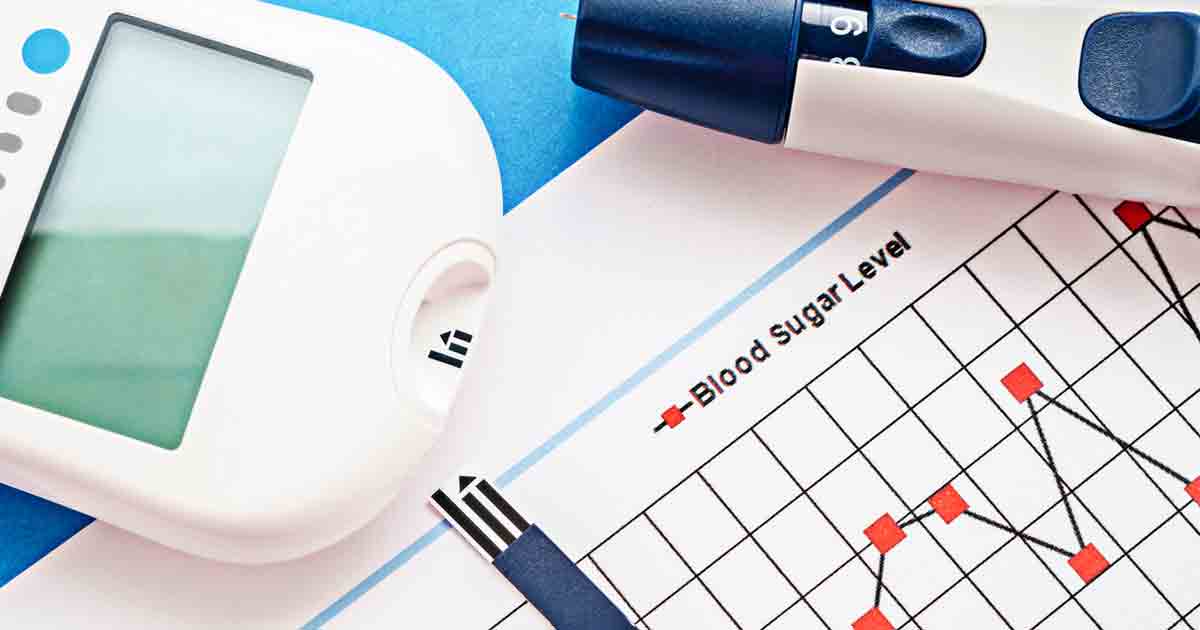
New research finds that clinicians lack the resources to identify, assess and manage patients who are at a high risk of developing hypoglycemia, or episodes of dangerously low blood ...
New Tool Identifies Diabetes Patients at Risk for Low Blood Sugar Emergencies
A team of researchers has developed and validated a practical tool for identifying diabetes patients who are at the highest risk for being admitted to an emergency department or hospital due to ...
Islet Transplantation Restores Blood Sugar Awareness and Control in Type 1 Diabetes
New clinical trial results show that transplantation of pancreatic islets -- cell clusters that contain insulin-producing cells -- prevents severe, potentially life-threatening drops in blood sugar ...
Study Suggests Potential Connection Between Low Blood Sugar and Cardiovascular Problems
Studies have shown an association between strict control of blood sugar and increased mortality. They have also suggested that a consequence of this control is low blood sugar (hypoglycemia), which ...
Below are relevant articles that may interest you. ScienceDaily shares links and proceeds with scholarly publications in the
Consuming Milk at Breakfast Lowers Blood Glucose Throughout the Day
Largest Brain Study of 62,454 Scans Identifies Drivers of Brain Aging
How Sleep Loss May Contribute to Adverse Weight Gain
Probiotic Use Is a Link Between Brain Fogginess, Severe Bloating
How We Judge Personality from Faces Depends on Our Beliefs About How Personality Works
Moderate Carbohydrate Intake May Be Best for Health, Study Suggests
The Spotlight of Attention Is More Like a Strobe Light
Secret Tunnels Discovered Between the Skull and the Brain
Deep Forehead Wrinkles May Signal a Higher Risk for Cardiovascular Mortality
Movement Control: How Our Brain Responds to Unexpected Situations
Watching the Clock: Faster Countdowns May Make People More Patient

When Confronted, a Single Neuron Helps a Fruit Fly Change Course
Meet the Virtual Pooch That Could Help Prevent Dog Bites
The Spotlight of Attention Is More Like a Strobe Light
A Video Game Can Change the Brain, May Improve Empathy in Middle Schoolers
Get the latest science news with ScienceDaily's free email newsletters, updated daily and weekly. Or view hourly updated newsfeeds in your RSS reader:
Keep up to date with the latest news from ScienceDaily via social networks:
Tell us what you think of ScienceDaily -- we welcome both positive and negative comments. Have any problems using the site? Questions?
or by other parties, where indicated. All rights controlled by their respective owners.
Content on this website is for information only. It is not intended to provide medical or other professional advice.
Views expressed here do not necessarily reflect those of ScienceDaily, its staff, its contributors, or its partners.
Financial support for ScienceDaily comes from advertisements and referral programs, where indicated.


0 Reviews:
Post Your Review