

What Is A Nvidia Tesla?
The Ascent is The Motley Fool's new personal finance brand devoted to helping you live a richer life. Let's conquer your financial goals together...faster. See you at the top!
Founded in 1993 by brothers Tom and David Gardner, The Motley Fool helps millions of people attain financial freedom through our website, podcasts, books, newspaper column, radio show, and premium investing services.

The Ascent is The Motley Fool's new personal finance brand devoted to helping you live a richer life. Let's conquer your financial goals together...faster. See you at the top! Pascal P100 Price
Let’s untangle all the recent rumors about Volta, Turing, and Ampere.
stock surged nearly 140% over the past 12 months, and almost 1,000% over the past three years. Those massive gains were mostly fueled by the chipmaker's dominance of the gaming GPU market, its expansion into the data center GPU market, and the rising use of its Tegra CPUs in connected cars.
However, NVIDIA isn't particularly cheap today at nearly 40 times forward earnings, and investors might be wondering if other catalysts could lift the stock to new highs. So today I'll take a closer look at NVIDIA's three next-gen GPUs, and discuss how they could widen its moat against the competition.
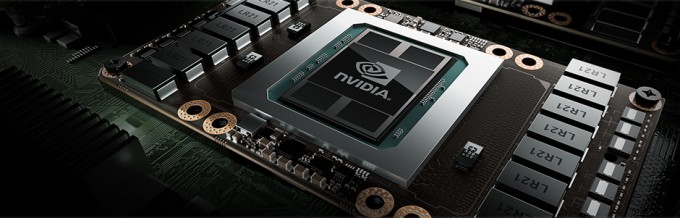
NVIDIA introduced the Volta architecture, which uses 12nm transistors, in two high-end cards (the Tesla V100 and Titan V) last year. At the time, most analysts believed that Volta would be the direct successor to Pascal, its current-gen architecture, which uses 14nm to 16nm transistors.
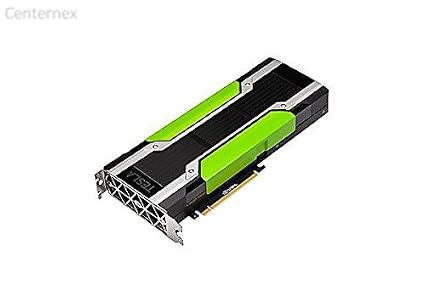
" but it clearly wasn't aimed at mainstream gamers given its $3 Pascal P100 Price , and was introduced as part of NVIDIA's DGX-1 servers, which are optimized for machine learning purposes. The Titan V was dubbed a "consumer device," but it clearly wasn't aimed at mainstream gamers given its $3,000 price tag.
Geekbench's comparisons between a Pascal-powered Tesla P100 and Volta-powered Tesla V100 revealed a 132% performance boost between the two generations.
Recent reports indicated that NVIDIA would introduce a new architecture called Turing as its formal successor to Pascal for the mainstream gaming market (instead of a gaming-oriented Volta) this summer. If the Turing offers a similar performance boost compared to Pascal as the Volta did in the enterprise market, gamers should expect their performance to more than double.
, which typically offers comparable performance to NVIDIA's chips at lower prices. AMD
to maintain the status quo last year when its new Vega GPUs merely matched Pascal's performance at similar prices.
AMD was reportedly planning to launch new Vega GPUs to counter Volta in the gaming market, but NVIDIA's introduction of a brand new GPU architecture with Turing represents a curveball that AMD could struggle to hit. Meanwhile, cryptocurrency miners could
by causing supply and pricing problems for both NVIDIA and AMD.
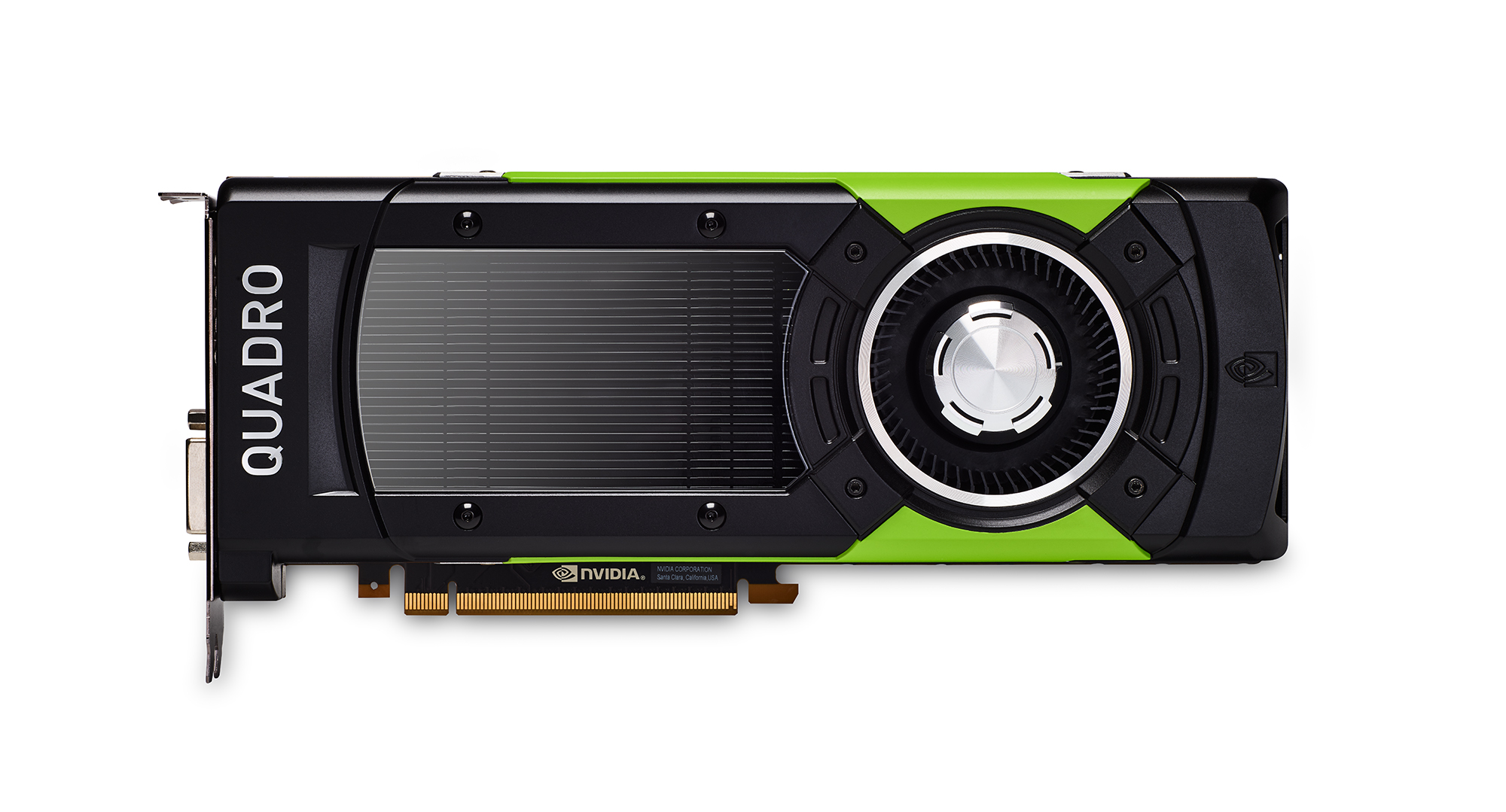
Ampere, NVIDIA's enterprise-class successor to Volta, could arrive in late March. Early reports claimed that the Ampere would be a dedicated platform for crypto mining, NVIDIA's enterprise-class successor to Volta Pascal P100 Price
be introduced in a new Tesla GPU to succeed the V100 at NVIDIA's GPU Technology Conference (GTC) during the final week of March.
Another report claims that NVIDIA hasn't settled on the Ampere and Turing brands yet, and that the Turing cards mentioned in this article could actually be the Ampere cards, and vice versa.
will likely be keeping a close eye on Ampere when it hits the market. That's because an increasing number of enterprise customers are installing NVIDIA's Tesla GPUs in their data centers for machine learning purposes. The more GPUs they buy, the more slowly they'll buy new Xeon CPUs -- which power 99% of data centers worldwide -- from Intel.
Intel is trying to convince enterprise customers than its new Xeon Phi chips can handle machine learning tasks on their own without NVIDIA's discrete GPUs. But that could prove tough if Ampere offers a significant performance jump over Pascal and Volta-powered Tesla chips.
NVIDIA has plenty of irons in the fire as its Volta, Turing, and Ampere GPUs keep it ahead of the tech curve in the gaming and enterprise markets. These next-gen GPUs could keep AMD -- which is trying to counter both NVIDIA and Intel -- on the ropes as it posts robust growth for the foreseeable future.
However, investors should take these reports with a grain of salt, since NVIDIA hasn't officially introduced the Turing and Ampere chips yet.
has no position in any of the stocks mentioned. The Motley Fool owns shares of and recommends Nvidia. The Motley Fool recommends Intel. The Motley Fool has a

Leo is a Tech and Consumer Goods Specialist who has covered the crossroads of Wall Street and Silicon Valley since 2012. His wheelhouse includes cloud, IoT, analytics, telecom, Pascal P100 Price
U.S. Workers Can Expect Slightly Bigger Raises in 2019


0 Reviews:
Post Your Review